
Introduction
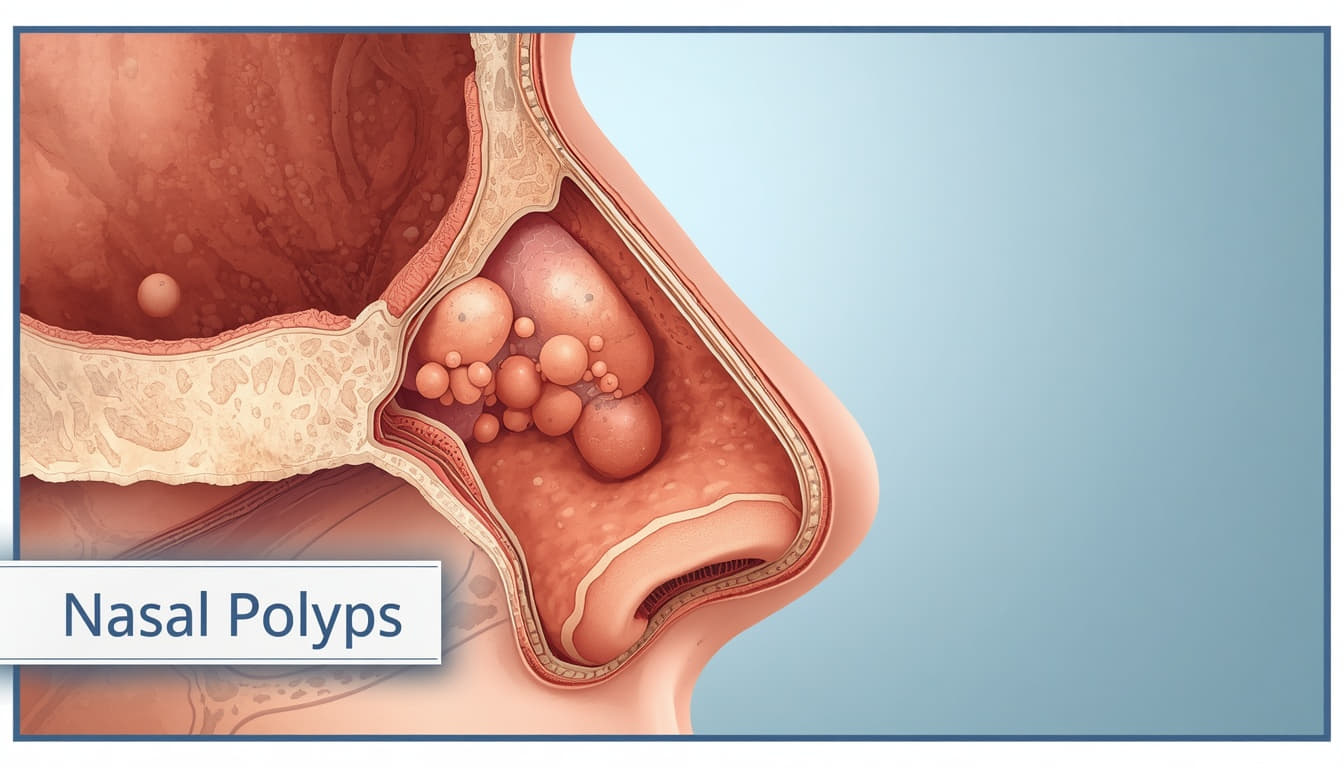
Nasal polyps are soft, painless, non-cancerous growths that develop on the lining of the nasal passages or sinuses due to chronic inflammation. They are commonly associated with allergies, asthma, recurrent sinus infections, and other inflammatory conditions. While small nasal polyps may not cause noticeable symptoms, larger or multiple polyps can block the nasal passages, leading to breathing difficulties, loss of smell, and frequent sinus infections.
Early diagnosis and appropriate treatment by an ENT specialist can help relieve symptoms, improve breathing, and reduce the risk of recurrence. This comprehensive guide explains the causes, symptoms, diagnosis, treatment options, and preventive measures for nasal polyps.
What Are Nasal Polyps?
Nasal polyps are teardrop-shaped, soft tissue growths that form inside the nose or sinuses. They develop when the mucous membrane becomes chronically inflamed and swollen over time.
Unlike tumors, nasal polyps are benign (non-cancerous) and generally grow slowly. However, as they enlarge, they can obstruct airflow and interfere with normal sinus drainage.
Types of Nasal Polyps
Ethmoidal Polyps
These are the most common type and arise from the ethmoid sinuses located between the eyes. They are often multiple and affect both sides of the nose.
Antrochoanal Polyps
These originate in the maxillary sinuses (cheek area) and usually occur on one side, extending into the back of the nasal cavity.
Common Symptoms
Small nasal polyps may not cause symptoms, but larger polyps can result in:
- Persistent nasal congestion
- Blocked or stuffy nose
- Difficulty breathing through the nose
- Runny nose
- Postnasal drip
- Reduced or complete loss of smell (anosmia)
- Reduced sense of taste
- Facial pain or pressure
- Frequent headaches
- Snoring
- Mouth breathing
- Recurrent sinus infections
Symptoms often persist for several weeks or months and may not improve with standard cold medications.
Causes of Nasal Polyps
The exact cause is not always known, but chronic inflammation is the primary factor.
Chronic Sinusitis
Long-term inflammation of the sinuses can promote the development of polyps.
Allergies
Conditions such as allergic rhinitis or hay fever may contribute to chronic nasal swelling.
Asthma
People with asthma are more likely to develop nasal polyps due to ongoing airway inflammation.
Aspirin Sensitivity
Some individuals with aspirin-exacerbated respiratory disease (AERD) have a higher risk of nasal polyps.
Recurrent Infections
Frequent viral or bacterial infections can trigger chronic inflammation.
Genetic Factors
Certain inherited conditions, such as cystic fibrosis, increase the likelihood of developing nasal polyps.
Risk Factors
The following factors may increase your risk:
- Chronic sinus infections
- Allergic rhinitis
- Asthma
- Aspirin sensitivity
- Family history of nasal polyps
- Smoking
- Exposure to environmental pollutants
- Immune system disorders
When Should You See an ENT Specialist?
Consult an ENT doctor if you experience:
- Nasal blockage lasting longer than 10–14 days
- Persistent loss of smell or taste
- Frequent sinus infections
- Facial pain or pressure
- Difficulty breathing through the nose
- Snoring or disturbed sleep
- Symptoms that do not improve with medication
Immediate medical attention is necessary if you develop severe headache, vision changes, swelling around the eyes, or difficulty breathing.
Diagnosis
An ENT specialist will perform a thorough evaluation to confirm the diagnosis.
Medical History
The doctor will review:
- Duration of symptoms
- Allergy history
- Asthma or sinus disease
- Previous treatments
- Family history
Physical Examination
The nose is examined using a nasal speculum or specialized instruments.
Nasal Endoscopy
A thin, flexible endoscope with a camera provides a detailed view of the nasal passages and sinuses, allowing accurate identification of polyps.
CT Scan
A CT scan helps determine the size, location, and extent of the polyps while identifying associated sinus disease.
Allergy Testing
Allergy testing may be recommended for patients with recurrent nasal inflammation.
Treatment Options
Treatment depends on the size of the polyps, severity of symptoms, and underlying cause.
Nasal Corticosteroid Sprays
These are the first-line treatment and help reduce inflammation and shrink polyps.
Oral Corticosteroids
Short courses of oral steroids may be prescribed for larger polyps causing significant blockage.
Saline Nasal Irrigation
Regular saline rinses help remove mucus, allergens, and irritants while improving nasal hygiene.
Allergy Management
Controlling allergies with antihistamines or immunotherapy may reduce inflammation and prevent recurrence.
Antibiotics
If a bacterial sinus infection is present, antibiotics may be prescribed.
Biologic Therapy
Patients with severe or recurrent nasal polyps may benefit from newer biologic medications that target chronic inflammation.
Endoscopic Sinus Surgery
When medications fail to provide relief, endoscopic sinus surgery may be recommended.
Benefits of Surgery
- Removes nasal polyps
- Restores normal airflow
- Improves sinus drainage
- Enhances sense of smell
- Reduces recurrent infections
- Improves quality of life
Most procedures are minimally invasive and performed using specialized endoscopic equipment without external incisions.
Home Care Tips
Patients can manage symptoms and support recovery by:
- Using saline nasal sprays daily
- Staying hydrated
- Avoiding smoking
- Managing allergies effectively
- Using a humidifier during dry weather
- Following prescribed medications consistently
- Attending regular ENT follow-up visits
Possible Complications
If left untreated, nasal polyps may cause:
- Chronic sinusitis
- Frequent sinus infections
- Persistent loss of smell
- Sleep apnea
- Difficulty breathing
- Reduced quality of life
- Facial pressure and headaches
Timely treatment helps minimize these complications.
Prevention Tips
Although nasal polyps cannot always be prevented, you can reduce your risk by:
- Treating allergies promptly
- Managing asthma effectively
- Practicing good nasal hygiene
- Avoiding cigarette smoke and pollutants
- Using saline nasal rinses regularly
- Maintaining adequate indoor humidity
- Treating sinus infections early
- Following your ENT specialist’s recommendations
Frequently Asked Questions
Are nasal polyps cancerous?
No. Nasal polyps are benign growths and are not considered cancerous.
Can nasal polyps disappear without treatment?
Small polyps may remain stable, but larger polyps usually require medical treatment to reduce inflammation and improve symptoms.
Do nasal polyps come back after surgery?
Yes. Recurrence is possible, especially in people with chronic allergies, asthma, or sinus inflammation. Regular follow-up and medication help reduce the risk.
Can nasal polyps affect the sense of smell?
Yes. Large polyps can block airflow to the smell receptors, causing partial or complete loss of smell.
Is surgery always necessary?
No. Many patients experience significant improvement with medications, nasal steroid sprays, and allergy management. Surgery is recommended only when conservative treatment fails.
Conclusion
Nasal polyps are common, non-cancerous growths that develop due to chronic inflammation in the nasal passages and sinuses. They can cause persistent nasal congestion, loss of smell, breathing difficulties, and recurrent sinus infections. Early diagnosis and appropriate treatment—including medications, allergy management, and, when necessary, endoscopic surgery—can provide lasting symptom relief and improve overall quality of life.
If you have ongoing nasal blockage, reduced sense of smell, or frequent sinus infections, consult an ENT specialist for a comprehensive evaluation and personalized treatment plan.