
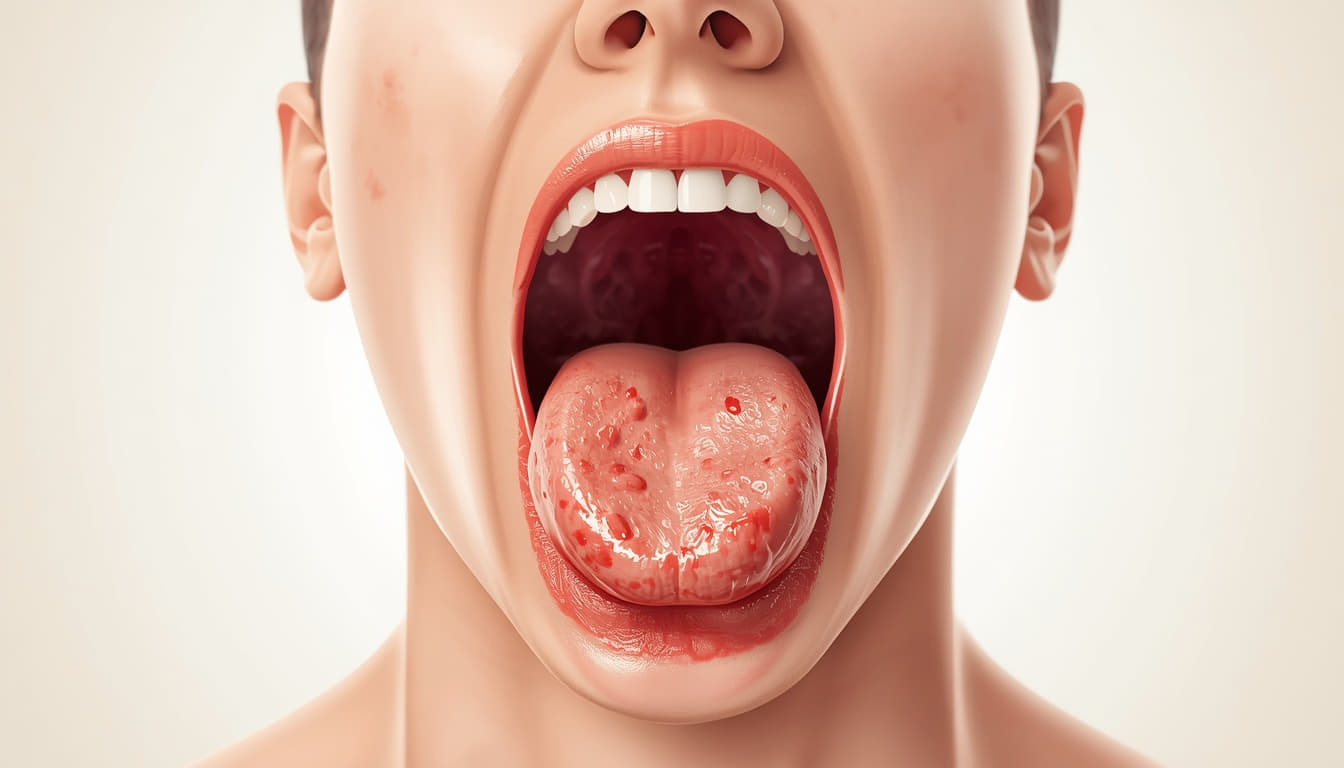
Tonsillitis is a common condition characterized by inflammation of the tonsils, the two oval-shaped lymphoid tissues located at the back of the throat. The tonsils play an important role in the body’s immune system by trapping bacteria and viruses that enter through the mouth and nose. However, they can themselves become infected, leading to pain, swelling, and difficulty swallowing.
Tonsillitis can affect people of all ages but is most common in children and teenagers. While many cases are mild and resolve with appropriate treatment, recurrent or severe infections may require evaluation by an ENT specialist and, in some cases, surgical removal of the tonsils (tonsillectomy).
This comprehensive guide covers the symptoms, causes, diagnosis, treatment options, complications, and prevention of tonsillitis.
What Is Tonsillitis?
Tonsillitis is the inflammation and infection of the tonsils caused by viruses or bacteria. The condition may develop suddenly and last for a few days or become recurrent, affecting daily activities and overall health.
Depending on the duration and frequency, tonsillitis is classified into different types.
Types of Tonsillitis
Acute Tonsillitis
- Lasts up to 10 days
- Usually caused by viral or bacterial infections
- Responds well to medical treatment
Recurrent Tonsillitis
Occurs multiple times during a year and may interfere with school, work, or daily life.
Chronic Tonsillitis
Persistent inflammation lasting several weeks or repeated infections that cause ongoing discomfort, bad breath, and swollen lymph nodes.
Common Symptoms
Symptoms may range from mild to severe.
Throat Symptoms
- Severe sore throat
- Pain while swallowing
- Red, swollen tonsils
- White or yellow patches on the tonsils
- Persistent throat irritation
General Symptoms
- Fever and chills
- Swollen lymph nodes in the neck
- Headache
- Bad breath
- Fatigue
- Loss of appetite
- Ear pain
- Hoarseness of voice
Symptoms in Children
Children may also experience:
- Excessive drooling
- Irritability
- Refusal to eat
- Difficulty sleeping
- Mouth breathing
Causes of Tonsillitis
Viral Infections
Most cases are caused by viruses such as:
- Common cold viruses
- Influenza virus
- Adenovirus
- Epstein-Barr virus (mononucleosis)
Viral tonsillitis usually resolves with supportive care.
Bacterial Infections
The most common bacterial cause is Group A Streptococcus, responsible for strep throat. Bacterial tonsillitis often requires antibiotic treatment.
Risk Factors
Several factors increase the likelihood of developing tonsillitis:
- School-age children
- Frequent exposure to infected individuals
- Poor hand hygiene
- Weak immune system
- Seasonal viral infections
- Chronic sinus or respiratory infections
- Smoking or exposure to secondhand smoke
When Should You See an ENT Specialist?
Seek medical attention if you experience:
- Severe throat pain lasting longer than 3–5 days
- Difficulty swallowing or breathing
- High fever
- White patches on the tonsils
- Recurrent tonsillitis
- Swelling of the neck glands
- Persistent bad breath
- Symptoms that do not improve with treatment
Immediate medical care is required if breathing becomes difficult or swallowing saliva is impossible.
Diagnosis
An ENT specialist will perform a detailed evaluation.
Medical History
The doctor will ask about:
- Duration of symptoms
- Previous episodes
- Fever
- Difficulty swallowing
- Family history
- Recent infections
Physical Examination
The throat, tonsils, ears, and neck are carefully examined.
Rapid Strep Test
A throat swab quickly detects streptococcal bacteria.
Throat Culture
Provides a definitive diagnosis when bacterial infection is suspected.
Blood Tests
May be recommended to diagnose viral infections such as mononucleosis.
Treatment Options
Treatment depends on whether the infection is viral or bacterial.
Viral Tonsillitis
Supportive care includes:
- Rest
- Adequate hydration
- Warm fluids
- Saltwater gargles
- Pain relievers
- Throat lozenges (for adults)
Most viral infections improve within 7–10 days.
Bacterial Tonsillitis
An ENT specialist may prescribe:
- Antibiotics
- Pain-relieving medications
- Anti-inflammatory medications
- Fever reducers
Completing the full course of antibiotics is essential to prevent complications.
Tonsillectomy (Tonsil Removal Surgery)
Surgery may be recommended if a patient experiences:
- Frequent recurrent tonsillitis
- Chronic tonsil infections
- Difficulty breathing due to enlarged tonsils
- Sleep apnea
- Recurrent peritonsillar abscess
Benefits of Tonsillectomy
- Fewer throat infections
- Improved swallowing
- Better sleep quality
- Reduced snoring
- Improved quality of life
Most patients recover within 10–14 days after surgery.
Home Care Tips
To relieve symptoms and support recovery:
- Drink plenty of fluids
- Gargle with warm salt water
- Eat soft foods
- Avoid spicy or acidic foods
- Get adequate rest
- Use a humidifier
- Avoid smoking and alcohol
- Maintain good oral hygiene
Possible Complications
Untreated bacterial tonsillitis may lead to:
- Peritonsillar abscess
- Ear infections
- Sinus infections
- Rheumatic fever
- Kidney inflammation
- Airway obstruction
- Chronic bad breath
Prompt treatment significantly reduces these risks.
Prevention Tips
You can reduce your risk of tonsillitis by:
- Washing hands regularly
- Avoiding close contact with sick individuals
- Covering coughs and sneezes
- Not sharing food, drinks, or utensils
- Maintaining good oral hygiene
- Eating a balanced diet
- Staying hydrated
- Strengthening your immune system with regular exercise and adequate sleep
Tonsillitis in Children
Children are more susceptible because their immune systems are still developing.
Parents should seek medical evaluation if a child has:
- High fever
- Difficulty swallowing
- Excessive drooling
- Breathing problems
- Persistent sore throat
- Refusal to eat or drink
Early treatment helps prevent complications and promotes faster recovery.
Frequently Asked Questions
Is tonsillitis contagious?
Yes. Viral and bacterial tonsillitis can spread through coughing, sneezing, or direct contact with infected saliva.
How long does tonsillitis last?
Most viral infections improve within 7–10 days, while bacterial infections usually improve within a few days after starting antibiotics.
Can adults get tonsillitis?
Yes. Although more common in children, adults can also develop tonsillitis.
When is tonsil surgery necessary?
Tonsillectomy is recommended for recurrent infections, chronic tonsillitis, sleep apnea, or complications such as abscess formation.
Can tonsillitis come back after treatment?
Yes. Some people experience recurrent episodes, especially if underlying infections or immune issues persist.
Conclusion
Tonsillitis is a common throat condition that can cause severe sore throat, swollen tonsils, fever, and difficulty swallowing. Most cases respond well to medical treatment and supportive care, while recurrent or chronic infections may require tonsillectomy.
Seeking timely evaluation from an ENT specialist ensures accurate diagnosis, appropriate treatment, and prevention of complications, helping patients achieve faster recovery and improved throat health.