
Introduction
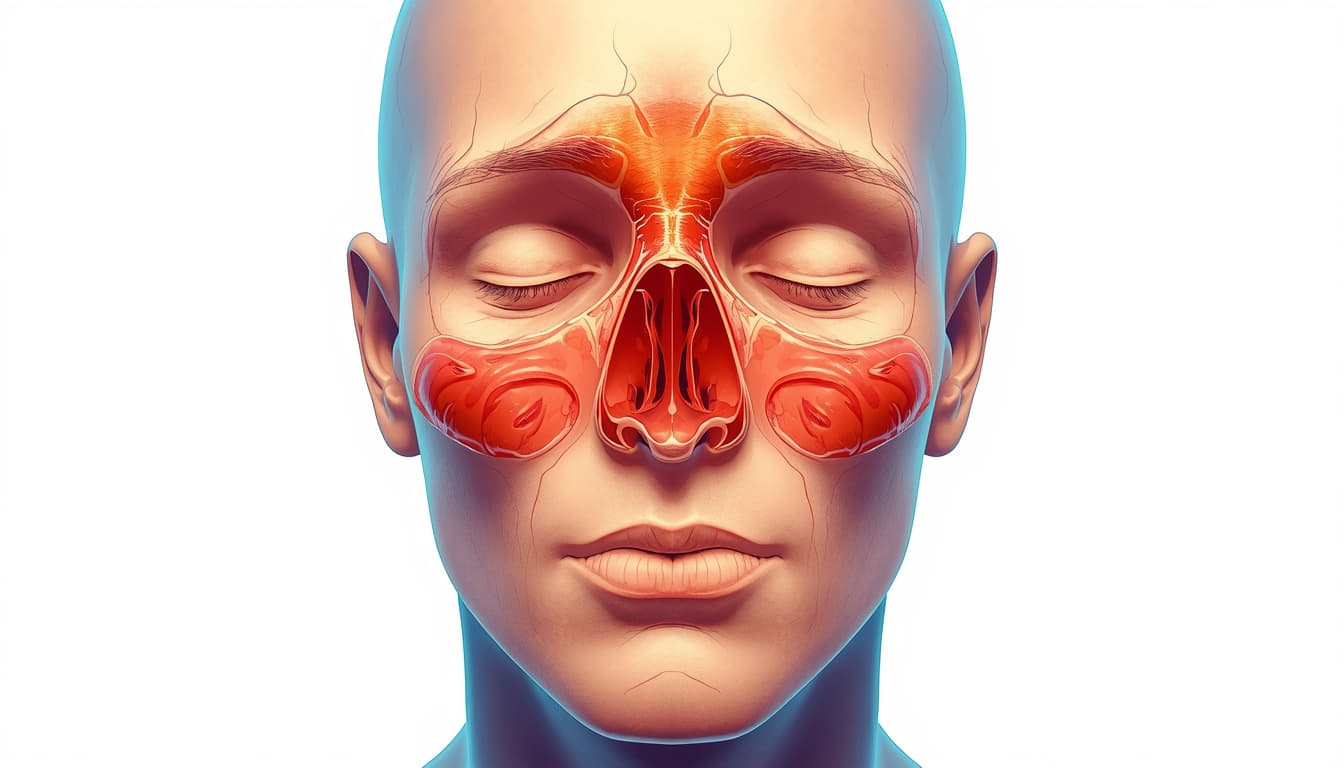
Sinusitis, commonly known as a sinus infection, is a condition in which the tissues lining the sinuses become inflamed or swollen. This inflammation blocks the normal drainage of mucus, leading to pressure, pain, congestion, and difficulty breathing through the nose. Sinusitis can be caused by viral, bacterial, or fungal infections, as well as allergies and structural problems in the nose.
While many cases resolve with proper care, chronic or recurrent sinusitis may require evaluation and treatment by an ENT specialist. Early diagnosis can help prevent complications and improve quality of life.
What Is Sinusitis?
The sinuses are air-filled cavities located in the forehead, cheeks, and around the nose. They produce mucus that helps trap dust, bacteria, and allergens while keeping the nasal passages moist.
When the sinuses become inflamed, mucus cannot drain properly, creating an environment where germs can grow and cause infection.
Types of Sinusitis
Acute Sinusitis
- Lasts less than 4 weeks
- Usually caused by viral infections such as the common cold
- Symptoms often improve within 10–14 days
Subacute Sinusitis
- Lasts between 4 and 12 weeks
- May occur after an untreated acute infection
Chronic Sinusitis
- Persists for more than 12 weeks
- Often associated with allergies, nasal polyps, or structural abnormalities
Recurrent Sinusitis
- Four or more episodes within one year
- Requires evaluation to identify underlying causes
Common Symptoms of Sinusitis
Symptoms vary depending on the severity and duration of the infection.
Nasal Symptoms
- Stuffy or blocked nose
- Thick yellow or green nasal discharge
- Postnasal drip
- Reduced sense of smell and taste
Facial Symptoms
- Pain or pressure around the eyes, cheeks, forehead, or nose
- Headache that worsens when bending forward
- Facial tenderness
General Symptoms
- Fever
- Fatigue
- Bad breath
- Cough, especially at night
- Ear pressure or fullness
- Sore throat due to postnasal drip
- Tooth pain in the upper jaw
Causes of Sinusitis
Several conditions can lead to inflammation and blockage of the sinuses.
Viral Infections
Most acute sinus infections develop after a common cold.
Bacterial Infections
When mucus remains trapped, bacteria can multiply and cause infection.
Allergies
Seasonal allergies cause swelling of the nasal passages and obstruct sinus drainage.
Nasal Polyps
Soft tissue growths inside the nose may block airflow and mucus drainage.
Deviated Nasal Septum
A crooked nasal septum can narrow the nasal passages and increase the risk of chronic sinus infections.
Environmental Irritants
Smoke, pollution, chemicals, and dust may irritate the nasal lining.
Fungal Infections
Although uncommon, fungal sinusitis may occur in people with weakened immune systems.
Risk Factors
You may be at greater risk if you have:
- Allergic rhinitis
- Asthma
- Frequent colds
- Smoking habit
- Exposure to air pollution
- Nasal polyps
- Deviated septum
- Weak immune system
- Dental infections
When Should You See an ENT Specialist?
Consult an ENT doctor if you experience:
- Symptoms lasting longer than 10 days
- Recurrent sinus infections
- Severe facial pain
- High fever
- Swelling around the eyes
- Vision changes
- Persistent headaches
- Blood in nasal discharge
- Difficulty breathing through the nose
Prompt medical evaluation helps prevent complications and identifies underlying causes.
Diagnosis
An ENT specialist may perform several tests to confirm sinusitis.
Medical History and Physical Examination
Your doctor will review symptoms and examine the nose and throat.
Nasal Endoscopy
A thin flexible camera is inserted into the nose to visualize the nasal passages and sinus openings.
CT Scan
Provides detailed images of the sinuses and helps identify chronic inflammation, polyps, or structural abnormalities.
Allergy Testing
Useful for patients with recurring sinus infections linked to allergies.
Nasal Culture
In severe or persistent cases, mucus samples may be tested to identify bacteria or fungi.
Treatment Options
Treatment depends on the underlying cause and severity.
Medications
An ENT specialist may recommend:
- Saline nasal sprays
- Nasal corticosteroid sprays
- Decongestants (short-term use)
- Antihistamines for allergies
- Antibiotics for bacterial infections
- Pain relievers for headache and facial pain
Nasal Irrigation
Rinsing the nasal passages with sterile saline solution helps remove mucus and allergens while improving drainage.
Steam Inhalation
Warm steam can temporarily relieve congestion and facial pressure.
Hydration
Drinking plenty of fluids keeps mucus thin and easier to drain.
Endoscopic Sinus Surgery
Patients with chronic sinusitis, nasal polyps, or structural problems may benefit from minimally invasive endoscopic sinus surgery to restore normal drainage.
Home Care Tips
You can support recovery by:
- Getting adequate rest
- Drinking plenty of water
- Using a humidifier
- Performing saline nasal rinses
- Applying warm compresses to the face
- Avoiding smoking and secondhand smoke
- Managing allergies effectively
Possible Complications
Untreated sinusitis can lead to:
- Chronic sinus infections
- Nasal polyps
- Ear infections
- Loss of smell
- Spread of infection to surrounding tissues
- Eye infections
- Rarely, meningitis or brain abscess
Early treatment significantly reduces these risks.
Prevention Tips
Reduce your chances of developing sinusitis by:
- Washing your hands regularly
- Treating allergies promptly
- Avoiding smoking
- Staying hydrated
- Using a humidifier during dry weather
- Getting recommended vaccinations
- Avoiding close contact with people who have respiratory infections
- Maintaining good nasal hygiene
Sinusitis in Children
Children may experience symptoms that include:
- Persistent runny nose
- Nasal congestion lasting more than 10 days
- Chronic cough
- Mouth breathing
- Fever
- Irritability
- Poor sleep
Parents should consult an ENT specialist if symptoms persist or repeatedly return.
Frequently Asked Questions
Is sinusitis contagious?
Sinusitis itself is not contagious, but the viruses causing many sinus infections can spread from person to person.
How long does sinusitis last?
Acute sinusitis usually resolves within 10 to 14 days, while chronic sinusitis lasts longer than 12 weeks.
Can allergies cause sinus infections?
Yes. Allergies can block normal sinus drainage, increasing the risk of infection.
Do all sinus infections need antibiotics?
No. Many sinus infections are viral and improve with supportive care. Antibiotics are recommended only for confirmed or suspected bacterial infections.
When is surgery necessary?
Surgery may be considered for chronic sinusitis that does not improve with medication or when structural abnormalities block sinus drainage.
Conclusion
Sinusitis is a common condition that causes nasal congestion, facial pain, headaches, and difficulty breathing. Although many cases improve with medical treatment and home care, chronic or recurrent sinus infections require evaluation by an ENT specialist to identify the underlying cause and prevent complications.
Maintaining good nasal hygiene, managing allergies, staying hydrated, and seeking timely medical care are the best ways to promote healthy sinuses and long-term respiratory health.