Introduction
A Deviated Nasal Septum (DNS) is a common condition in which the thin wall of cartilage and bone (nasal septum) that divides the two nostrils is displaced to one side. While a mild deviation may not cause any symptoms, a significant deviation can obstruct airflow, making breathing difficult and increasing the risk of sinus infections, snoring, and sleep disturbances.
Many people are born with a deviated septum, while others develop it due to injury or trauma. Fortunately, effective medical and surgical treatments are available to improve nasal breathing and overall quality of life.
This comprehensive guide explains the causes, symptoms, diagnosis, complications, treatment options, and prevention of a deviated nasal septum.
What Is a Deviated Nasal Septum?
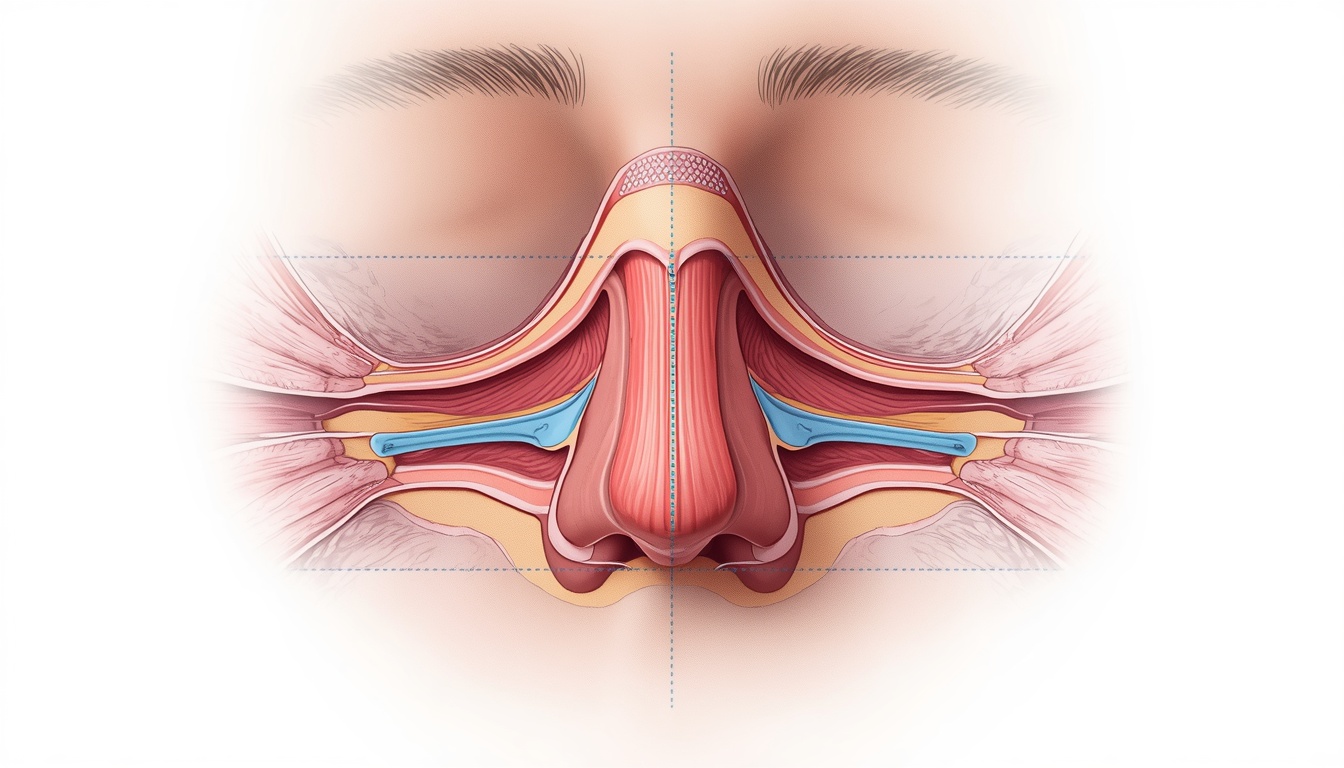
The nasal septum is the structure made of cartilage and bone that separates the left and right nasal passages. Ideally, it should be positioned in the center of the nose.
When the septum shifts significantly to one side, one nasal passage becomes narrower than the other, restricting airflow and causing various nasal symptoms.
Studies suggest that many adults have some degree of septal deviation, although only a small percentage experience symptoms requiring treatment.
Causes of Deviated Nasal Septum
Several factors can lead to a deviated septum.
Congenital Causes
Some individuals are born with a deviated septum that develops during fetal growth or childbirth.
Nasal Injury
Sports injuries, falls, road accidents, or direct trauma to the nose can displace the septum.
Aging
Natural aging may gradually worsen an existing deviation due to changes in cartilage and facial structures.
Common Signs and Symptoms
Symptoms depend on the severity of the deviation.
Nasal Symptoms
- Persistent nasal blockage
- Difficulty breathing through one or both nostrils
- Frequent nasal congestion
- One nostril feels more blocked than the other
- Mouth breathing
Sinus Symptoms
- Recurrent sinus infections
- Facial pressure or pain
- Frequent headaches
- Postnasal drip
Sleep-Related Symptoms
- Snoring
- Poor sleep quality
- Dry mouth upon waking
- Sleep disturbances
Other Symptoms
- Nosebleeds
- Reduced sense of smell
- Noisy breathing
- Facial discomfort
- Frequent need to breathe through the mouth during exercise
Complications of Untreated DNS
If left untreated, a significant deviated septum may lead to:
Chronic Nasal Obstruction
Persistent difficulty breathing through the nose can affect daily activities and exercise tolerance.
Recurrent Sinusitis
Blocked nasal passages interfere with mucus drainage, increasing the risk of repeated sinus infections.
Sleep Disorders
Nasal obstruction may contribute to snoring and obstructive sleep apnea.
Frequent Nosebleeds
Dryness and irritation inside the nose can make bleeding more common.
Reduced Quality of Life
Chronic congestion, poor sleep, and breathing difficulties can negatively impact productivity and overall well-being.
Risk Factors
Certain factors increase the likelihood of developing symptomatic DNS:
- Birth-related structural abnormalities
- Contact sports
- Facial injuries
- Road traffic accidents
- Previous nasal trauma
- Family history of nasal structural problems
When Should You See an ENT Specialist?
Consult an ENT specialist if you experience:
- Persistent nasal blockage
- Difficulty breathing through the nose
- Frequent sinus infections
- Loud snoring
- Recurrent nosebleeds
- Facial pain or pressure
- Sleep problems related to nasal obstruction
- Symptoms that do not improve with medication
Prompt evaluation can help identify the severity of the deviation and determine the most appropriate treatment.
Diagnosis
An ENT specialist will perform a comprehensive examination.
Medical History
The doctor will ask about:
- Duration of symptoms
- Previous nasal injuries
- Sinus infections
- Allergy history
- Sleep disturbances
Physical Examination
The nose is examined using a nasal speculum to assess septal alignment and airflow.
Nasal Endoscopy
A thin, flexible endoscope provides a detailed view of the nasal passages, septum, and surrounding structures.
CT Scan
In complex cases or before surgery, a CT scan helps evaluate the anatomy and identify associated sinus disease.
Treatment Options
Treatment depends on symptom severity and the degree of septal deviation.
Medications
Although medication cannot straighten the septum, it can relieve associated symptoms.
Nasal Corticosteroid Sprays
Reduce inflammation and improve airflow.
Antihistamines
Helpful for patients with allergies.
Decongestants
Provide temporary relief from nasal congestion but should only be used for short periods.
Saline Nasal Sprays
Keep nasal passages moist and reduce irritation.
Septoplasty Surgery
Septoplasty is the most effective treatment for a significantly deviated septum causing persistent symptoms.
During the procedure, the ENT surgeon repositions or removes the deviated portions of cartilage and bone while preserving the natural appearance of the nose.
Benefits of Septoplasty
- Improved nasal breathing
- Better airflow
- Reduced sinus infections
- Less snoring
- Improved sleep quality
- Fewer headaches and facial pressure episodes
- Enhanced quality of life
Most patients return home on the same day and recover within a few weeks.
Recovery After Septoplasty
Patients are generally advised to:
- Rest for several days
- Avoid heavy lifting
- Sleep with the head elevated
- Avoid blowing the nose forcefully
- Use saline sprays as recommended
- Attend follow-up appointments
- Take prescribed medications regularly
Most swelling gradually improves over several weeks.
Home Care Tips
You can reduce symptoms by:
- Staying hydrated
- Using saline nasal rinses
- Avoiding smoking and air pollution
- Using a humidifier
- Managing allergies effectively
- Avoiding nasal trauma
These measures improve comfort but do not correct the structural deviation.
Prevention
While congenital deviations cannot be prevented, you can reduce the risk of injury-related DNS by:
- Wearing helmets during sports
- Using seat belts while driving
- Wearing protective facial gear during contact sports
- Following workplace safety measures
Frequently Asked Questions
Can a deviated septum correct itself?
No. Once the septum is significantly deviated, it does not naturally return to its normal position.
Does everyone with DNS need surgery?
No. Many people have mild deviations without symptoms. Surgery is recommended only when symptoms significantly affect breathing or quality of life.
Is septoplasty painful?
Septoplasty is generally well tolerated. Most patients experience mild discomfort, congestion, and swelling rather than severe pain.
Will septoplasty change the appearance of my nose?
Standard septoplasty is performed inside the nose and typically does not alter its external appearance unless combined with cosmetic rhinoplasty.
Can DNS cause snoring?
Yes. A blocked nasal airway can contribute to snoring and may worsen sleep-related breathing problems.
Conclusion
A deviated nasal septum is a common structural condition that can lead to nasal blockage, breathing difficulties, recurrent sinus infections, snoring, and poor sleep quality. While mild cases may only require symptom management, persistent or severe symptoms should be evaluated by an ENT specialist.
With timely diagnosis, appropriate medications, and advanced treatments such as septoplasty, most patients experience significant improvement in breathing, sleep, and overall quality of life.