
Introduction
Ear infections are one of the most common health conditions affecting both children and adults. They can cause pain, discomfort, temporary hearing loss, and, if left untreated, may lead to serious complications. While many ear infections resolve with proper care, recognizing the symptoms early and seeking timely medical attention is essential for maintaining healthy hearing.
This comprehensive guide explains the types, symptoms, causes, treatment options, and preventive measures for ear infections.
What Is an Ear Infection?
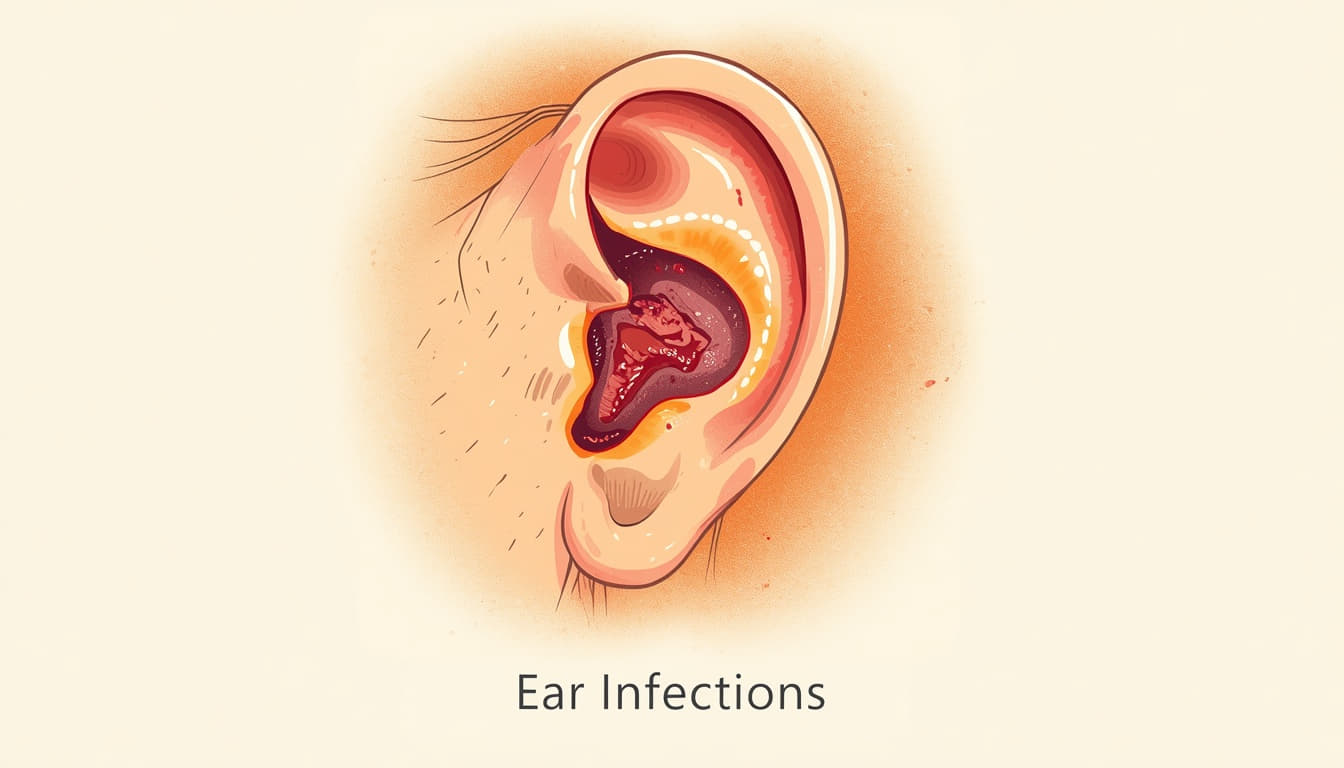
An ear infection occurs when bacteria, viruses, or fungi invade different parts of the ear, causing inflammation and fluid buildup. Depending on the affected area, ear infections are classified into three main types:
1. Outer Ear Infection (Otitis Externa)
Also known as “Swimmer’s Ear,” this infection affects the ear canal and is often caused by trapped moisture or injury from cotton swabs or earbuds.
2. Middle Ear Infection (Otitis Media)
This is the most common type, especially in children. It develops when fluid accumulates behind the eardrum due to infections or blocked Eustachian tubes.
3. Inner Ear Infection (Labyrinthitis)
Although less common, inner ear infections can affect balance and hearing, leading to dizziness and vertigo.
Common Symptoms of Ear Infections
Symptoms vary depending on age and the severity of the infection.
Symptoms in Adults
- Sharp or throbbing ear pain
- Feeling of fullness in the ear
- Reduced hearing ability
- Ringing in the ears (tinnitus)
- Fluid discharge from the ear
- Fever
- Dizziness or balance problems
- Headache
- Swelling around the ear
Symptoms in Children
- Pulling or tugging at the ear
- Frequent crying and irritability
- Difficulty sleeping
- Fever
- Poor feeding
- Reduced response to sounds
- Fluid draining from the ear
- Loss of balance
Causes of Ear Infections
Several factors can contribute to ear infections.
Bacterial Infections
Bacteria can multiply behind the eardrum after a cold or respiratory infection, causing inflammation and pus formation.
Viral Infections
Viruses responsible for colds and flu may also lead to ear infections.
Allergies
Seasonal allergies can block the Eustachian tubes, preventing proper drainage.
Excess Moisture
Swimming or frequent water exposure creates an ideal environment for bacteria and fungi.
Sinus Infections
Inflamed sinuses may increase pressure and fluid buildup in the ears.
Poor Air Quality
Exposure to cigarette smoke and pollution can increase the risk of ear infections.
Risk Factors
Certain individuals are more likely to develop ear infections:
- Children under five years old
- Frequent cold and flu infections
- Seasonal allergies
- Smoking or passive smoke exposure
- Diabetes
- Weakened immune system
- Frequent swimming
- Chronic sinus problems
When Should You See an ENT Specialist?
Consult an ENT doctor immediately if you experience:
- Severe ear pain lasting more than 48 hours
- High fever
- Ear discharge with pus or blood
- Sudden hearing loss
- Persistent dizziness
- Swelling behind the ear
- Recurrent ear infections
- Symptoms that worsen despite medication
Early diagnosis helps prevent long-term hearing complications.
Diagnosis
An ENT specialist may perform:
Physical Examination
The doctor examines the ear canal and eardrum using an otoscope.
Tympanometry
Measures eardrum movement and detects fluid buildup.
Hearing Test
Evaluates whether the infection has affected hearing ability.
Culture Test
Ear discharge may be tested to identify the responsible bacteria or fungus.
Imaging
CT or MRI scans may be recommended in complicated or recurrent cases.
Treatment Options
Treatment depends on the type and severity of the infection.
Antibiotics
Bacterial ear infections are commonly treated with oral antibiotics or antibiotic ear drops.
Pain Relief
Doctors may recommend pain relievers to reduce discomfort and fever.
Ear Drops
Special medicated drops help treat outer ear infections and reduce inflammation.
Warm Compress
Applying a warm cloth to the affected ear may temporarily relieve pain.
Ear Cleaning
Professional ear cleaning removes debris, wax, and infected material from the ear canal.
Minor Surgical Procedures
For recurrent middle ear infections, an ENT specialist may insert ear tubes to improve drainage and prevent fluid buildup.
Home Care Tips
While medical treatment is important, these measures can support recovery:
- Complete the prescribed medication course
- Keep the affected ear dry
- Avoid inserting cotton buds or sharp objects
- Stay hydrated
- Get adequate rest
- Avoid swimming until fully recovered
- Follow up with your doctor if symptoms persist
Possible Complications
Untreated ear infections may lead to:
- Temporary hearing loss
- Permanent hearing damage
- Ruptured eardrum
- Chronic ear infections
- Balance disorders
- Spread of infection to nearby tissues
- Speech and developmental delays in children
Timely treatment significantly reduces these risks.
Prevention Tips
Simple preventive measures can lower the chances of ear infections.
Maintain Good Ear Hygiene
Clean only the outer ear and avoid inserting objects into the ear canal.
Keep Ears Dry
Dry your ears gently after swimming or bathing.
Manage Allergies
Proper allergy treatment helps prevent Eustachian tube blockage.
Stay Up to Date with Vaccinations
Flu and pneumococcal vaccines reduce infections that may lead to ear problems.
Practice Hand Hygiene
Frequent hand washing decreases the spread of viruses and bacteria.
Avoid Smoking
Tobacco smoke irritates the respiratory tract and increases ear infection risk.
Boost Immunity
Eat a balanced diet, exercise regularly, sleep well, and stay hydrated.
Ear Infections in Children
Children are particularly susceptible because their Eustachian tubes are shorter and more horizontal, making fluid drainage difficult.
Parents should seek medical evaluation if a child:
- Has persistent fever
- Complains of severe ear pain
- Experiences repeated infections
- Shows signs of hearing difficulty
- Has fluid leaking from the ear
Early treatment helps protect hearing and supports normal speech development.
Frequently Asked Questions
Can an ear infection go away on its own?
Some mild viral ear infections improve within a few days, but bacterial infections often require medical treatment. Persistent symptoms should always be evaluated by an ENT specialist.
Is hearing loss from an ear infection permanent?
Most hearing loss caused by fluid buildup is temporary and improves after treatment. However, untreated or recurrent infections can result in permanent damage.
Can adults get ear infections?
Yes. Although more common in children, adults can develop ear infections due to allergies, sinus infections, swimming, or weakened immunity.
Is it safe to use cotton buds?
No. Cotton buds can push wax deeper into the ear canal and increase the risk of injury and infection.
How can I prevent recurring ear infections?
Keep ears dry, manage allergies, avoid smoking, practice good hygiene, and seek prompt treatment for colds and sinus infections.
Conclusion
Ear infections are common but should never be ignored. Early recognition of symptoms such as ear pain, hearing loss, fever, or discharge allows timely treatment and reduces the risk of complications. Maintaining good ear hygiene, protecting your ears from moisture, and consulting an ENT specialist when symptoms persist are the best ways to preserve healthy hearing.
Whether affecting children or adults, proper diagnosis and treatment ensure faster recovery and help prevent recurrent infections and long-term hearing problems.
Meta Title (55 Characters)
Ear Infections: Symptoms, Treatment & Prevention Guide
Meta Description (155 Characters)
Learn about ear infection symptoms, causes, treatment options, prevention tips, and when to visit an ENT specialist for timely care.
Focus Keywords
ear infections, ear infection symptoms, ear infection treatment, ENT specialist, middle ear infection, outer ear infection, hearing loss, ear pain, ear infection prevention