
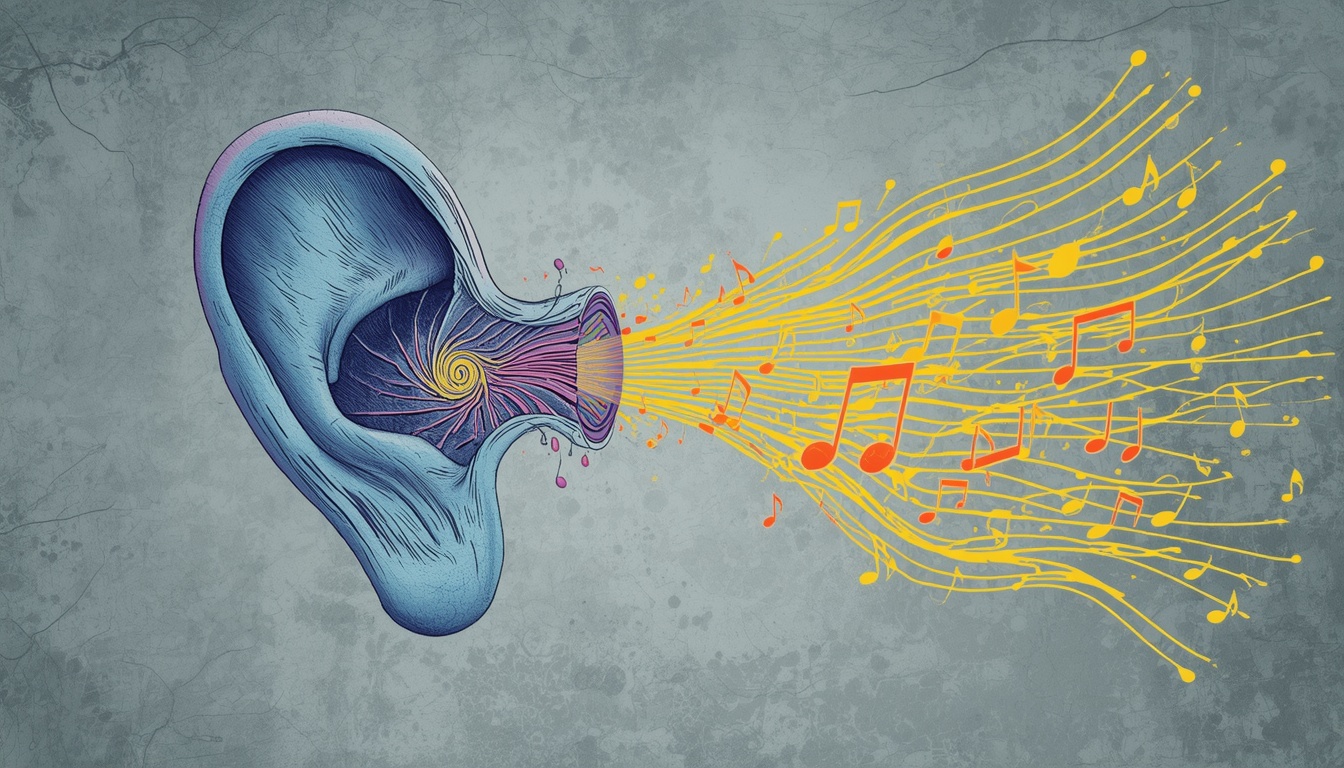
Tinnitus is the perception of sound in the ears or head without an external source. It is commonly described as ringing, buzzing, hissing, humming, clicking, or roaring sounds that may be constant or intermittent. While tinnitus is not a disease itself, it is often a symptom of an underlying ear condition, hearing loss, or other medical issues.
Millions of people experience tinnitus at some point in their lives. For some, it is a mild inconvenience, while for others, it can significantly affect sleep, concentration, emotional well-being, and overall quality of life.
Understanding the causes, recognizing the symptoms, and seeking timely evaluation from an ENT specialist can help identify the underlying condition and improve symptom management.
What Is Tinnitus?
Tinnitus is the sensation of hearing sounds that are not produced by an external source. The sound may occur in one ear, both ears, or seem to originate from inside the head.
The intensity can vary from a faint background noise to a loud sound that interferes with daily activities.
Common descriptions include:
- Ringing
- Buzzing
- Humming
- Hissing
- Whistling
- Clicking
- Roaring
- Pulsing
Some individuals experience tinnitus occasionally, while others may have persistent symptoms lasting months or years.
Types of Tinnitus
Subjective Tinnitus
This is the most common type and can only be heard by the affected person. It is usually related to hearing loss or problems within the auditory system.
Objective Tinnitus
A rare form that can sometimes be heard by a doctor during examination. It is often caused by blood vessel abnormalities or muscle contractions.
Pulsatile Tinnitus
This type produces a rhythmic sound that often matches the heartbeat. It may indicate vascular conditions that require prompt medical evaluation.
Common Symptoms
People with tinnitus may experience:
- Ringing in one or both ears
- Buzzing or humming sounds
- Hissing or whistling noises
- Clicking sounds
- Roaring sensations
- Difficulty hearing conversations
- Trouble concentrating
- Sleep disturbances
- Anxiety or stress
- Irritability
- Sensitivity to loud sounds
Symptoms may worsen in quiet environments or during periods of stress and fatigue.
Causes of Tinnitus
Tinnitus has many possible causes, and identifying the underlying reason is essential for effective treatment.
Age-Related Hearing Loss
Natural aging can damage the tiny hair cells in the inner ear, leading to hearing loss and tinnitus.
Noise Exposure
Long-term exposure to loud music, industrial machinery, construction equipment, or headphones at high volume can damage hearing.
Earwax Blockage
Excessive earwax can block the ear canal and alter hearing, leading to temporary tinnitus.
Ear Infections
Inflammation and fluid buildup in the ear may produce ringing or buzzing sensations.
Meniere’s Disease
This inner ear disorder can cause tinnitus along with vertigo and fluctuating hearing loss.
Medications
Some medications may trigger tinnitus as a side effect, including:
- High-dose aspirin
- Certain antibiotics
- Chemotherapy drugs
- Loop diuretics
- Some anti-inflammatory medications
Head or Neck Injuries
Trauma affecting the auditory nerves or brain can lead to tinnitus.
Blood Vessel Disorders
High blood pressure or vascular abnormalities may cause pulsatile tinnitus.
Temporomandibular Joint (TMJ) Disorders
Jaw problems can contribute to ear discomfort and ringing sensations.
Risk Factors
Several factors increase the likelihood of developing tinnitus:
- Aging
- Frequent exposure to loud noise
- Smoking
- Excessive alcohol consumption
- High blood pressure
- Diabetes
- Obesity
- Chronic stress
- Ear infections
- Family history of hearing disorders
When Should You Visit an ENT Specialist?
Seek medical attention if tinnitus is:
- Sudden in onset
- Present in only one ear
- Associated with hearing loss
- Accompanied by dizziness or vertigo
- Pulsating with your heartbeat
- Causing sleep problems or anxiety
- Persisting for more than one week
- Associated with ear pain or discharge
Early evaluation helps identify treatable causes and prevents complications.
Diagnosis
An ENT specialist will perform a comprehensive evaluation.
Medical History
The doctor will ask about:
- Duration of symptoms
- Type of sound experienced
- Medication history
- Noise exposure
- Medical conditions
- Lifestyle habits
Physical Examination
The ears, nose, throat, and neck are examined for abnormalities.
Hearing Tests
Audiometry evaluates hearing ability and identifies associated hearing loss.
Tympanometry
Measures middle ear function and eardrum movement.
Imaging Studies
CT or MRI scans may be recommended if structural abnormalities are suspected.
Blood Tests
May help identify metabolic or systemic conditions contributing to tinnitus.
Treatment Options
Treatment depends on the underlying cause rather than tinnitus itself.
Earwax Removal
Professional cleaning often resolves tinnitus caused by impacted wax.
Treating Ear Infections
Antibiotics or antifungal medications can eliminate infection-related symptoms.
Hearing Aids
People with hearing loss often experience significant improvement with hearing aids that amplify external sounds.
Sound Therapy
White noise machines, nature sounds, or specialized tinnitus maskers help reduce awareness of ringing.
Cognitive Behavioral Therapy (CBT)
CBT helps patients manage emotional distress associated with chronic tinnitus and improves quality of life.
Tinnitus Retraining Therapy (TRT)
This combines counseling and sound therapy to help the brain gradually ignore tinnitus signals.
Medication Management
While there is no specific cure for tinnitus, medications may be prescribed to reduce anxiety, depression, or sleep disturbances associated with the condition.
Lifestyle Changes That Help
Many people find relief by adopting healthy habits.
Protect Your Hearing
Use ear protection in noisy environments and keep headphone volume below 60%.
Reduce Stress
Practice meditation, yoga, breathing exercises, or regular physical activity.
Improve Sleep
Maintain a consistent sleep schedule and consider soft background sounds at night.
Limit Caffeine and Alcohol
Some individuals notice worsening symptoms after excessive consumption.
Quit Smoking
Smoking affects blood circulation and may aggravate tinnitus.
Stay Physically Active
Regular exercise supports healthy blood flow and overall ear health.
Can Tinnitus Be Cured?
The outcome depends on the cause.
Temporary tinnitus caused by earwax, infections, or medication side effects often improves after treatment.
Chronic tinnitus associated with hearing loss may not completely disappear, but appropriate management strategies can significantly reduce its impact and improve quality of life.
Prevention Tips
You can lower your risk of tinnitus by:
- Wearing hearing protection around loud noise
- Keeping headphone volume at safe levels
- Managing blood pressure
- Treating ear infections promptly
- Avoiding smoking
- Limiting alcohol intake
- Exercising regularly
- Following a balanced diet
- Scheduling routine hearing evaluations if exposed to occupational noise
Frequently Asked Questions
Is tinnitus a sign of hearing loss?
Yes. Many people with tinnitus also have some degree of hearing loss, although not everyone experiences noticeable difficulty hearing.
Does tinnitus always mean something serious?
No. Most cases are related to hearing changes, earwax, or noise exposure. However, sudden or one-sided tinnitus should always be evaluated by an ENT specialist.
Can stress make tinnitus worse?
Yes. Anxiety and stress can increase the perception and severity of tinnitus, creating a cycle that affects sleep and concentration.
Are hearing aids helpful?
Yes. Hearing aids often reduce tinnitus perception by improving hearing and increasing environmental sounds.
Can tinnitus disappear on its own?
Temporary tinnitus caused by loud noise exposure or minor ear conditions may resolve naturally. Persistent symptoms require professional evaluation.
Conclusion
Tinnitus is a common condition characterized by ringing, buzzing, or other phantom sounds in the ears. Although it can be frustrating, many cases can be effectively managed through accurate diagnosis, treatment of underlying causes, hearing rehabilitation, sound therapy, and healthy lifestyle changes.
If you experience persistent tinnitus, sudden hearing changes, dizziness, or one-sided symptoms, consult an ENT specialist for a comprehensive evaluation and personalized treatment plan.